 The Breed Book
Best Dachshund Harness 2026: IVDD-Safe, No-Pull Picks
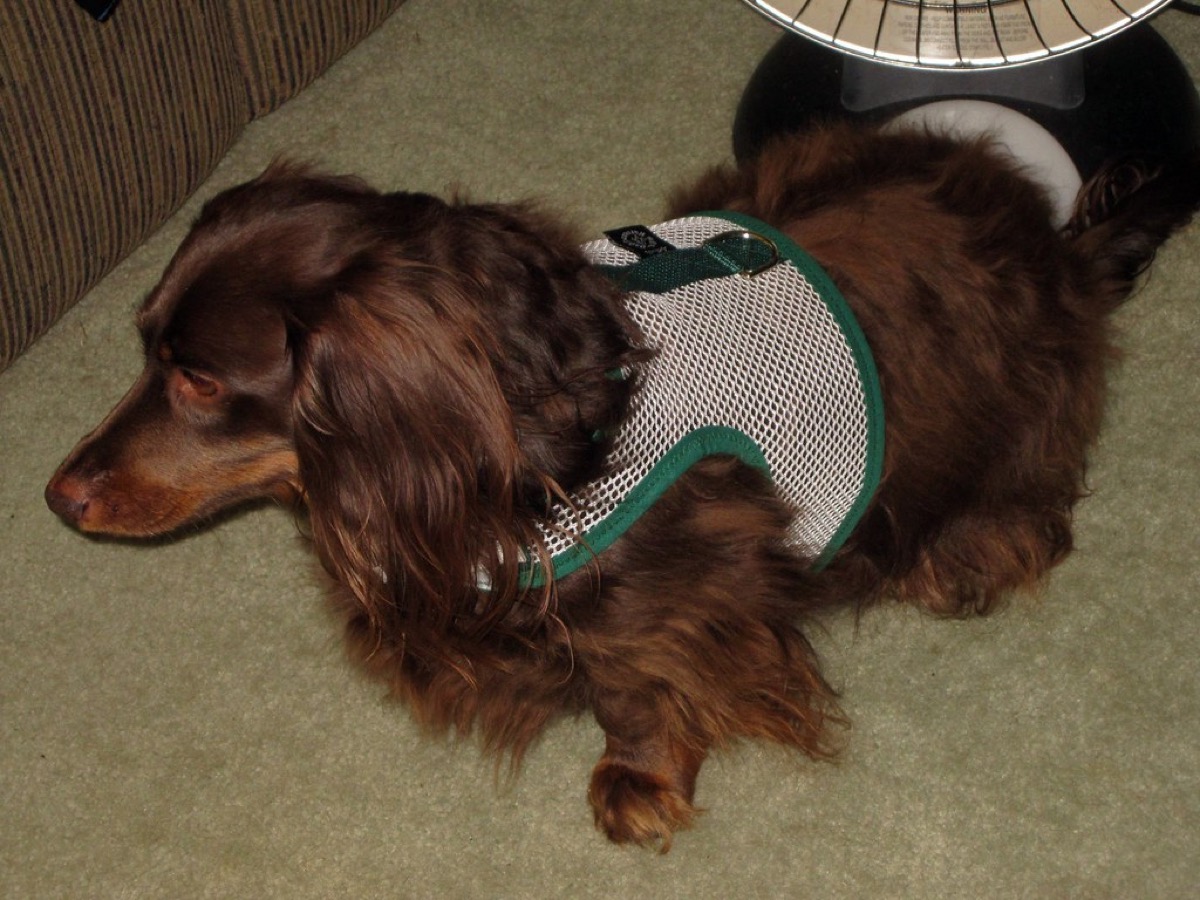
If you own a dachshund, a harness is not optional, it is one of the most important pieces of gear you will buy. Here is the short version: never walk a dachshund on a collar. Then we will cover what makes a harness genuinely safe for that famous long back, and our top picks.
Why a Harness, Not a Collar
A collar puts all the leash force on a dachshund’s neck and the top of the spine. For a breed already prone to intervertebral disc disease (IVDD), that is exactly the wrong place to add strain. Every lunge, pull, or sudden stop transfers force straight into the neck and back.
A good harness spreads that force across the chest and shoulders instead, away from the spine. For this breed, that single switch is a real, daily way to protect the back.
What Makes a Harness IVDD-Safe
Not all harnesses suit a long dog. The features that matter most:
- Step-in or vest style. A step-in harness goes on without pulling anything over the head, which avoids twisting the neck and back during fitting. Padded vest styles spread pressure broadly.
- Even pressure, no mid-back strap. Avoid thin H-back harnesses that create a pressure point across the middle of the long spine. You want the load on the chest.
- A snug, secure fit. A harness that shifts or rotates while walking does not protect anything. Dachshunds have a deep chest and narrow waist, so adjustability matters.
- A front-clip option (for pullers). Front-clip attachment gently discourages pulling, which keeps sudden jolts off the spine. Great for dogs still learning leash manners.
- Soft padding. Their short legs mean straps sit close to the armpits, so padding prevents chafing.
How to Choose and Fit
Measure your dog’s chest girth (the widest part, just behind the front legs) and their neck, and check each harness’s size chart, since brands run differently. Our ideal weight tool can help you confirm your dog’s size category first.
When fitted, you should be able to slide two fingers under any strap: snug enough not to slip, loose enough not to dig in. Re-check the fit as puppies grow and as adults gain or lose weight.
For the rest of your back-protection setup, pair the harness with a ramp so your dog never has to jump. See our best dachshund ramps guide, and the full IVDD prevention guide.
Harness Styles, Decoded
It helps to know the main styles you will see, because the name on the label tells you a lot about whether it suits a long dog:
- Step-in harness. Your dog steps in with their front legs, then you pull it up and clip on the back. No pulling anything over the head, which is the gentlest option for a breed you do not want to twist. Our top pick is this style.
- Padded vest harness. A broad panel of fabric across the chest and back that spreads pressure over a wide area. Comfortable and supportive, though some go on over the head, so introduce them calmly.
- No-pull / front-clip harness. Has a leash ring on the chest. When the dog pulls, the front clip turns them gently back toward you instead of letting them throw their weight forward. Good for training and for keeping jolts off the spine.
- H-back or strap harness. A minimal design of thin straps. Cheap and light, but the straps can create a pressure line across the middle of a long back, so it is usually our least favourite for this breed unless very well padded.
If you are unsure, a padded step-in or vest with an optional front clip covers almost every dachshund well.
Getting a Nervous Dachshund Used to a Harness
Dachshunds are opinionated, and some object loudly the first time a harness appears. Go slowly and it becomes a non-event:
- Leave the harness on the floor near their bed for a day so it stops being strange.
- Hold it out and give a treat every time they sniff or touch it.
- Drape it over them for a few seconds, treat, remove. Build up to clipping it for a minute indoors, then longer.
- Only once they are relaxed wearing it indoors do you attach the leash and head out.
Never force a struggling dog into a harness, especially over the head, since that twisting is exactly what you are trying to avoid. A few short, positive sessions almost always wins.
A note on durability and washing: dachshunds are low to the ground, so harnesses pick up mud and damp fast. Look for machine-washable fabric and check the stitching and buckles every few weeks, because a worn buckle on a strong puller is how escapes happen.
Frequently Asked Questions
Are step-in or over-the-head harnesses better for dachshunds?
Step-in harnesses are usually better for high-IVDD-risk breeds because you do not have to pull anything over the head, which avoids twisting the neck and back during fitting. Over-the-head padded vests can also work well if your dog tolerates them calmly.
Should I use a front-clip or back-clip harness?
Back-clip is fine for a dog that walks politely. If your dachshund pulls, a front-clip (or a dual-clip harness used on the front) gently reduces pulling, which keeps sudden strain off the spine. Many of our picks offer both.
What size harness does a dachshund need?
It depends on the individual dog and whether they are miniature or standard, so always measure chest girth and neck and match the brand’s size chart rather than guessing by breed. Deep chest and narrow waist mean adjustability is key.
Can a harness actually prevent IVDD?
No gear prevents IVDD outright, because the risk is largely genetic. But a harness keeps leash force off the neck and spine, and that is a sensible, everyday way to reduce avoidable strain. Pair it with weight management and ramps for the biggest effect.
Our top picks
Some links below are affiliate links; we may earn a small commission at no cost to you. We only recommend gear we would use ourselves.
Best Pet Supplies Voyager Step-In Air
Padded step-in vest that spreads pressure across the chest, not the spine. No pulling it over the head, which means no twisting. Breathable mesh, easy on, great for minis and standards.
rabbitgoo No-Pull Dog Harness
Dual-clip (front and back) design. Use the front clip to gently stop pulling, which keeps sudden strain off the long back. Highly adjustable for the dachshund's deep chest.
Puppia RiteFit Harness
Soft, well-padded, and inexpensive, with two adjustable straps for a snug fit that does not chafe the armpits. A reliable everyday harness.
DJANGO Adventure Harness
Lightweight, padded, and escape-proof, purpose-designed for long-backed, deep-chested dogs. The splurge pick if you want durability and a secure fit for active dogs.