 The Breed Book
How to Potty Train a Dachshund: A Realistic 2026 Plan
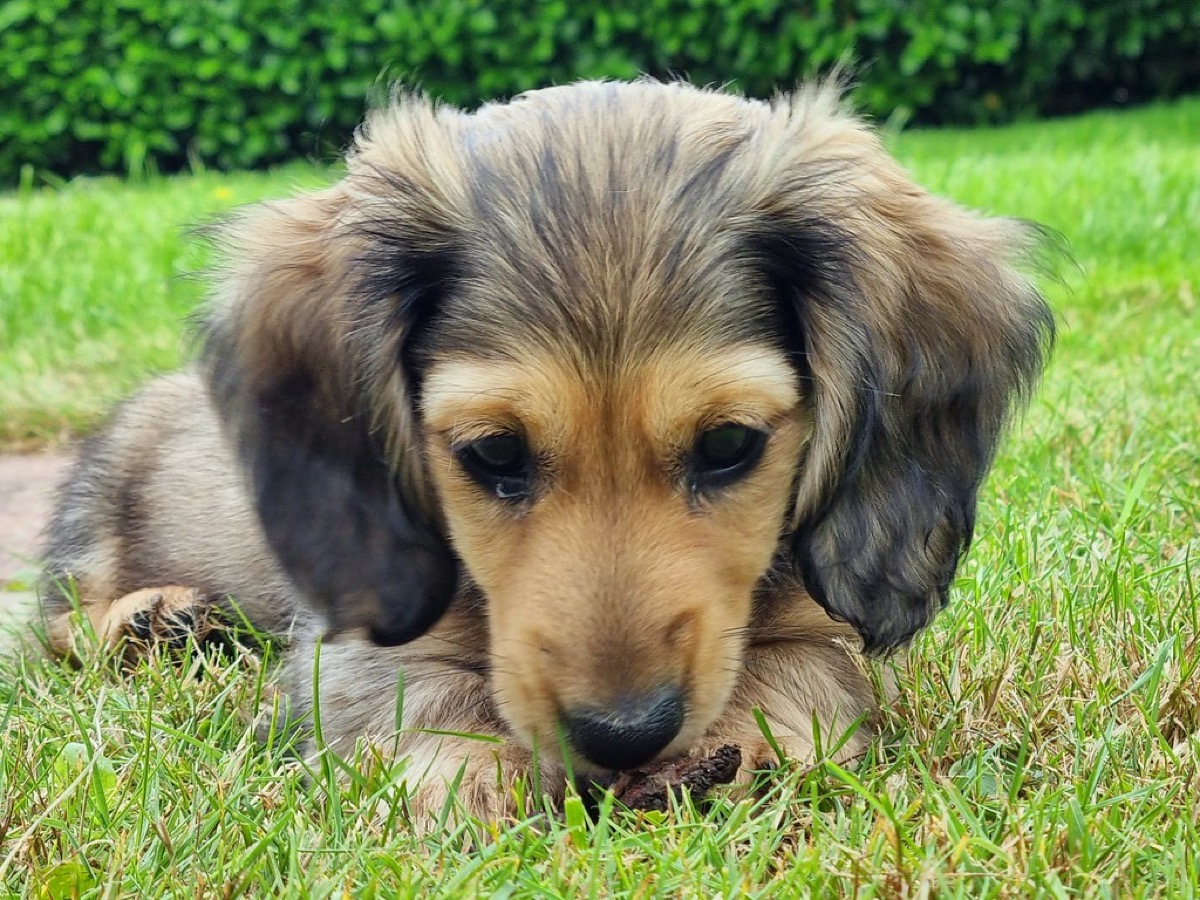
Let’s be honest up front: dachshunds are one of the harder breeds to potty train. They are clever, independent, and were bred to make their own decisions underground, which is a polite way of saying they can be stubborn. They also follow their noses everywhere, so an interesting smell in the yard can derail a potty trip in seconds (Dogster).
The good news: none of that means your dachshund cannot be reliably house trained. It just means the plan needs to be consistent, patient, and built around how this breed actually works. Here is the realistic version.
First, Set Realistic Expectations
If you came here hoping to housebreak your dachshund in a weekend, take a breath. That is not how it works for this breed, and chasing it just leads to frustration for both of you.
A more honest timeline: most puppies become reliable somewhere between four and six months of age, and small breeds often need a little extra patience (AKC). Full bladder control physically does not develop until around five months. So if your twelve-week-old is having accidents, that is not failure, that is biology. Your job in the early weeks is to prevent accidents and build the right habit, not to expect perfection.
Build a Tight Schedule
Schedule is the single most important factor. Dachshunds have small bladders and a fast metabolism, so they need to go out often, and predictably.
A useful rule of thumb is “month plus one”: a puppy can usually hold their bladder for roughly their age in months plus one, in hours (AKC). So a two-month-old needs a break every one to two hours, and a four-month-old every four to five. That is the maximum, not the goal. Early on, take a young puppy out far more often.
Always take your dachshund out at these moments:
- First thing in the morning, the second they wake
- After every nap
- Shortly after every meal (puppies often need to go within fifteen to thirty minutes of eating)
- After play or excitement
- Right before bed
Feeding on a consistent schedule makes potty timing far more predictable, so set regular meal times rather than free-feeding. Our feeding calculator can help you set sensible portions and a routine, and our guide to what to feed a dachshund puppy covers how often and how much at each age.
Use the Crate the Right Way
Crate training is the dachshund owner’s best friend here. Dogs instinctively avoid soiling where they sleep, and a correctly sized crate uses that instinct to build bladder control much faster than free-roaming training does (AKC).
Two rules make or break it:
- Size it right. The crate should be just big enough for your dog to stand, turn around, and lie down. Too large, and they will use one end as a toilet and sleep in the other. Many crates come with a divider so you can grow the space as your puppy grows; our best dachshund crates guide covers sizing and picks.
- Out the moment the door opens. For the first month, carry or lead your dog straight outside every single time you let them out of the crate. No detours.
A crate is a management tool, not a place to park a dog all day. A rough guide is about one hour of daytime crate time per month of age, and never more than a few hours at a stretch for a puppy. Overdoing crate time is both unkind and counterproductive.
Reward Immediately, Every Time
When your dachshund goes in the right spot, mark it the instant they finish with calm praise and a small treat. Timing is everything. If you wait until you are back inside, the dog has no idea what the treat was for.
Dachshunds are food motivated, which is a gift here. Keep high-value treats by the door and make going outside the most rewarding thing that happens all day. Do not punish accidents. Scolding a dachshund for going indoors usually teaches them to hide when they go, not to stop, which makes everything harder.
Skip the Pee Pads (Usually)
This one surprises people. For most owners aiming to have a dog that goes outside, pee pads send a mixed message: they teach the dog that going indoors is acceptable, and then you have to untrain that later (Dogster).
There are exceptions. High-rise apartments, harsh winters, or owners with mobility limits sometimes make indoor options genuinely practical. If that is you, commit to one clear indoor spot rather than scattering pads, and accept that the path to fully outdoor training will be longer.
Clean Accidents Properly
When an accident happens, and it will, how you clean it matters. Dogs return to spots that smell like a toilet. Ordinary household cleaners often leave odor traces a dog can still detect. Use an enzymatic pet cleaner that actually breaks down the odor compounds, not just a scented surface wipe.
What If Progress Stalls or Regresses?
A few common culprits when training plateaus:
- Too much freedom too soon. If your dog is having accidents, they have more unsupervised house access than they have earned. Shrink the space, increase supervision.
- Schedule drift. Weekends and busy days quietly break the routine. Consistency is the cure.
- A medical issue. Sudden regression in a previously trained dog, especially with frequent small accidents, can signal a urinary tract infection or other issue. Check with your vet.
Patience genuinely wins here. The owners who succeed are not the ones with the smartest dogs, they are the ones who stayed consistent through the messy middle.
For everything else about raising a healthy dachshund, from weight to back care, start at our dachshund hub.
Frequently Asked Questions
Are dachshunds really harder to potty train than other dogs?
Yes, generally. They are frequently listed among the more challenging breeds to housetrain, mostly because of their independent streak and strong scent drive, combined with a small bladder. It is very doable, it just rewards consistency more than most breeds.
How long does it take to potty train a dachshund?
Plan for several months. Most dogs become reliable between four and six months of age, and some dachshunds take a bit longer. Treat anything faster as a bonus, not the expectation.
Should I use pee pads for my dachshund?
For most owners who want an outdoor-trained dog, no, because pads can teach the dog that indoors is acceptable. They make sense mainly for apartments, tough climates, or owners with mobility needs, and even then, keep them to one consistent spot.
My adult dachshund suddenly started having accidents. Why?
Sudden regression in a trained adult is worth a vet visit. Urinary tract infections and other medical issues are common causes, and ruling those out comes before any retraining.
Is crate training cruel?
Not when done correctly. The crate should be appropriately sized, introduced positively, and never used for excessive stretches. Used well, most dogs come to treat it as their own safe den.